
Uncategorized
STEROID STORE
1. Steroid Store. Anabolic vs. Androgenic Ratio
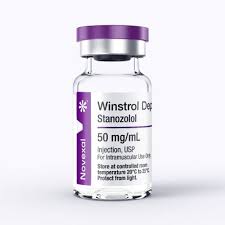
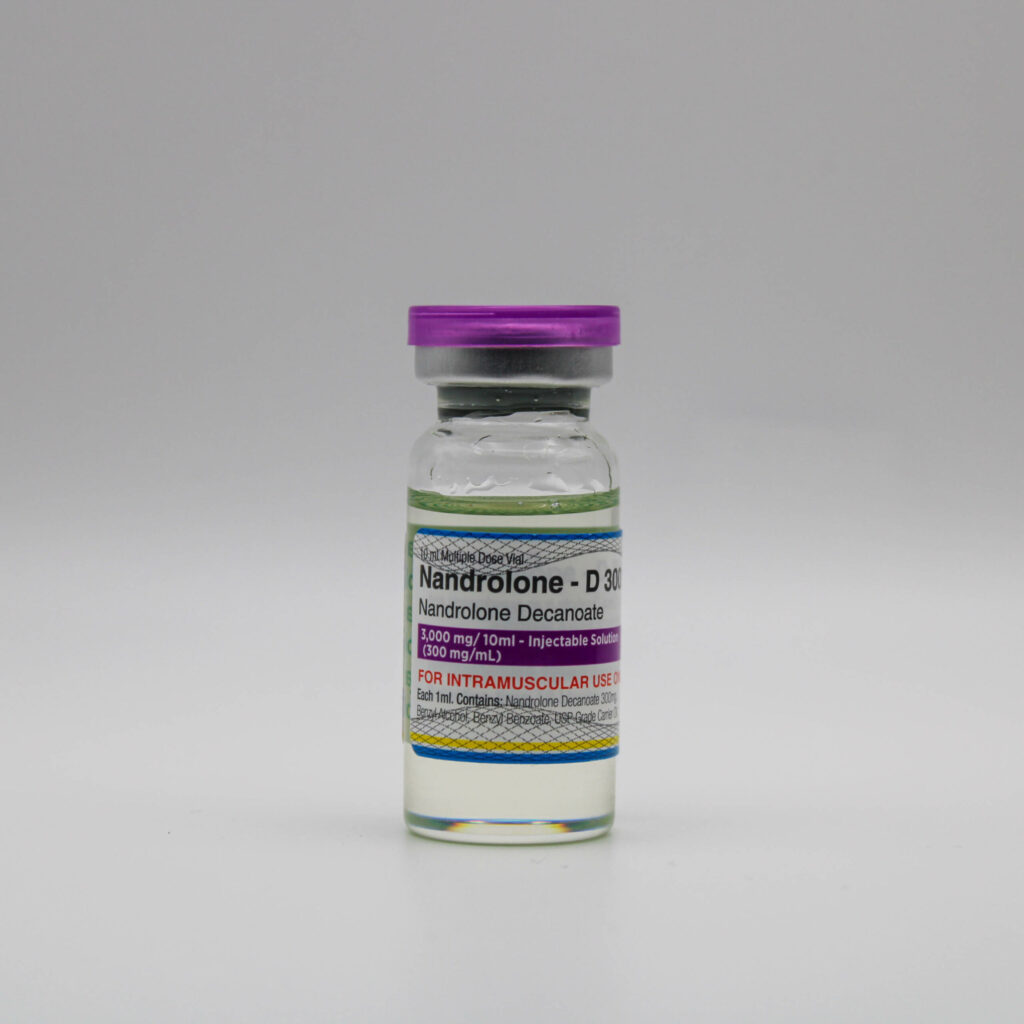

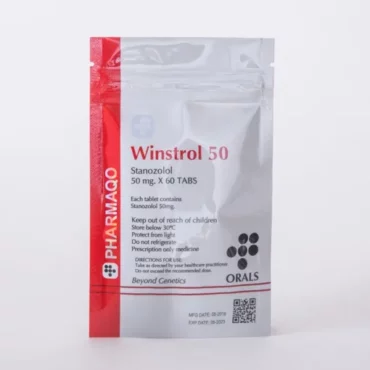
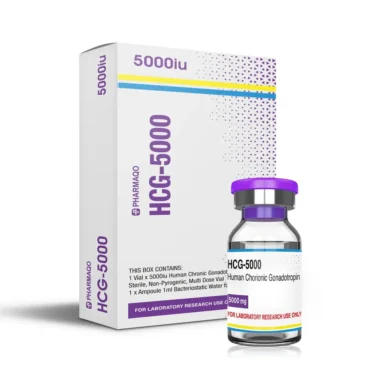
This is the fundamental pharmacological factor that classifies different steroids.
- Anabolic Effects: These refer to the tissue-building properties, such as increased protein synthesis, muscle hypertrophy, and bone density. This is the primary reason athletes utilize these compounds.
- Androgenic Effects: These refer to the development of masculine characteristics, such as deepening of the voice, body hair growth, and aggression.
- The Ratio: Different steroids have different ratios. For example, Oxandrolone (Anavar) has a high anabolic rating with low androgenic effects, making it popular for cutting with fewer side effects. Trenbolone, conversely, has extremely high anabolic and androgenic ratings, making it very potent but also associated with severe side effects.
2. Esters and Half-Life
Most injectable steroids are bound to an “ester” chain. This ester controls the release rate of the hormone into the bloodstream.
- Short Esters (e.g., Propionate, Acetate): These have a short half-life (days). They require frequent injections (often daily or every other day) but leave the system quickly, which is useful for drug testing.
- Long Esters (e.g., Enanthate, Cypionate, Decanoate): These have a long half-life (weeks). They provide stable blood levels with fewer injections but take longer to reach peak concentration and longer to clear the system.
3. Administration Route: Oral vs. Injectable
The method of administration significantly impacts the side effect profile.
- Orals (17-alpha alkylated): Oral steroids are chemically modified to pass through the liver without being destroyed. However, this modification makes them hepatotoxic (toxic to the liver). They can cause liver stress, elevated liver enzymes, and cholestasis.
- Injectables: These bypass the first-pass metabolism in the liver (mostly). While less toxic to the liver, injectables carry risks of injection site pain, abscesses, and scar tissue. They also tend to have a more negative impact on cholesterol (lipid profile) than orals.
4. Aromatization and Estrogen Management
Many anabolic steroids (like Testosterone and Dianabol) interact with the enzyme aromatase, which converts testosterone into estrogen.
- Estrogenic Side Effects: If unchecked, this conversion leads to gynecomastia (development of breast tissue in males) and water retention.
- Anti-Aromatase Inhibitors (AIs): A key factor in steroid use is managing this conversion using AIs (like Arimidex or Aromasin) to keep estrogen levels in a healthy range.
5. The HPTA Axis and Suppression
The Hypothalamic-Pituitary-Testicular Axis (HPTA) is the body’s hormonal thermostat.
- Negative Feedback Loop: When exogenous (external) steroids are introduced, the body detects high levels of androgens and shuts down its own production of Luteinizing Hormone (LH) and Follicle-Stimulating Hormone (FSH). Consequently, the testes stop producing natural testosterone.
- Atrophy: Prolonged use can lead to testicular atrophy (shrinkage).
- Recovery: Once usage stops, the body may take weeks or months to restart natural production, which is why Post Cycle Therapy (PCT) is a critical factor.
6. Cardiovascular Risk Factors
Steroid use significantly impacts cardiovascular health.
- Lipid Profile: Steroids tend to lower HDL (good cholesterol) and raise LDL (bad cholesterol), accelerating the buildup of plaque in the arteries (atherosclerosis).
- Blood Pressure: Many steroids cause water retention and increase red blood cell count, both of which can spike blood pressure, putting strain on the heart and increasing the risk of stroke or heart attack.
7. Purity and Source Quality
In the context of non-medical use, the “black market” factor is a major risk.
- Under-dosing: A product labeled as 300mg/ml may actually contain only 150mg/ml.
- Contamination: Products may be manufactured in non-sterile environments, leading to infection risks, or may contain heavy metals or harmful byproducts from poor synthesis.
- Mislabeling: Products may contain a different steroid than what is listed on the label.
8. Genetic Predisposition
Not everyone responds to steroids the same way.
- Androgen Receptor Sensitivity: Some individuals have a higher density of androgen receptors in their muscles and respond exceptionally well to low doses.
- Side Effect Susceptibility: Some men are genetically prone to male pattern baldness or gynecomastia. These conditions will manifest aggressively with steroid use, even with moderate doses.
9. Legal and Ethical Factors
- Controlled Substances: In many countries (including the US and UK), anabolic steroids are Schedule III/Class C controlled substances. Possession without a prescription is illegal and can result in criminal charges, fines, and imprisonment.
- Fair Play: In sports, the use of PEDs violates the rules of governing bodies (WADA, IOC, etc.) and results in disqualification, stripping of medals, and bans.
Summary
The “key factors” of steroids are a balance between the desired anabolic outcome and the management of androgenic/estrogenic side effects. Success in medical therapy or performance enhancement relies heavily on understanding the pharmacokinetics (half-lives), managing the endocrine system (PCT), and mitigating cardiovascular risks.
