



STEROID OFFICIAL
Steroids: Performance Enhancers and Their Impacts
Introduction
Steroid official. Anabolic steroids, often simply called “steroids” in fitness and bodybuilding contexts, are synthetic derivatives of testosterone designed to promote muscle growth and enhance physical performance. They are classified as anabolic-androgenic steroids (AAS) and are used medically for conditions like hormone deficiencies, but recreationally for muscle building. While effective, they carry significant health risks and legal implications. This guide covers their history, mechanisms, uses, effects, and considerations, based on medical and scientific data.
History and Background
Anabolic steroids were first synthesized in the 1930s by German scientists seeking treatments for hypogonadism (low testosterone). Testosterone was isolated in 1935, and synthetic versions like methyltestosterone followed. They gained notoriety in the 1950s during the Cold War, when Soviet athletes used them to dominate Olympic events, leading to widespread doping scandals. In the 1980s, bodybuilding icons like Arnold Schwarzenegger popularized their use, though he later admitted misuse. Today, they’re controlled substances in many countries, with medical prescriptions required, but black market use persists in sports and fitness. The 1990 Anabolic Steroid Control Act in the US classified them as Schedule III drugs, reflecting their potential for abuse.
Key Characteristics
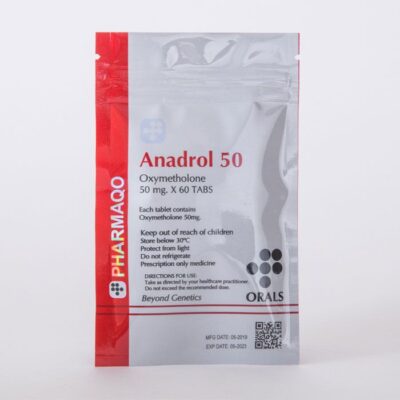
Anabolic steroids are typically administered via injections, oral pills, gels, or creams. Common examples include Dianabol (methandrostenolone), Trenbolone, and Testosterone Enanthate. They come in various forms: oral (e.g., Anadrol) for quick effects, or injectable (e.g., Deca-Durabolin) for sustained release. Dosages vary widely—beginners might start at 200-400mg/week, while advanced users exceed 1,000mg—but cycles last 6-12 weeks, often followed by post-cycle therapy (PCT) to restore natural hormone levels. Purity and sourcing are concerns; counterfeit products can contain harmful contaminants.
Mechanisms of Action
Steroids work by mimicking testosterone, binding to androgen receptors in muscle cells to increase protein synthesis, leading to hypertrophy (muscle growth). They also boost red blood cell production, enhancing endurance, and reduce recovery time from workouts. Androgenic effects include deepened voice, facial hair, and aggression (“roid rage”). Estrogenic side effects occur when steroids convert to estrogen, causing gynecomastia (breast tissue in men). The endocrine system is disrupted, suppressing natural testosterone production, which can lead to testicular atrophy and infertility.
Potential Benefits and Uses
Medically, steroids treat conditions like delayed puberty, muscle wasting in HIV/AIDS, and osteoporosis. Recreationally, bodybuilders use them for rapid gains—studies show 5-10kg muscle increases in 10 weeks (per Journal of Strength and Conditioning Research). Athletes seek improved strength and recovery. Some evidence supports benefits for anemia or burn victims, but non-medical use is controversial.
Effects and Risks
Short-term effects include increased muscle mass, strength, and libido, but also acne, hair loss, and mood swings. Long-term risks are severe:
- Cardiovascular: Elevated blood pressure, heart attacks, strokes due to cholesterol changes.
- Liver Damage: Oral steroids can cause hepatotoxicity, leading to tumors.
- Hormonal Imbalances: Gynecomastia, infertility, reduced sperm count.
- Psychological: Depression, anxiety, aggression; withdrawal symptoms like fatigue.
- Other: Kidney strain, infections from injections, virilization in women (e.g., clitoral enlargement).
Women face masculinization risks, and adolescents may experience stunted growth. Overdose can cause organ failure. Studies (e.g., from the Mayo Clinic) link long-term use to increased mortality.
Legality and Regulations
In the US, anabolic steroids are Schedule III controlled substances—possession without prescription is illegal, with penalties up to 3 years in prison. Internationally, the World Anti-Doping Agency (WADA) bans them in sports, leading to disqualifications (e.g., Lance Armstrong’s case). Medical use requires prescriptions for conditions like hypogonadism. Black market sales thrive online, but quality is unreliable. Countries like the UK and Canada have similar restrictions.
How to Use Safely (If Prescribed)
Under medical supervision:
- Dosage: Start low, monitor blood work for liver/kidney function.
- Cycles: Use with PCT (e.g., Clomid) to restore hormones.
- Stacking: Combining steroids (e.g., Testosterone + Winstrol) for synergy, but increases risks.
- Monitoring: Regular check-ups for side effects. Never self-medicate; consult endocrinologists. Natural alternatives like creatine or protein are safer for fitness goals.
Where to Find, Buy, and Tips
Legally, obtain via prescriptions from doctors for medical needs. Avoid black markets due to fakes. Reputable sources include pharmacies or compounding labs. Prices: $50-200 per cycle. Tips: Research thoroughly; use blood tests. Risks of illegal purchase include legal trouble and health hazards. For fitness, focus on diet, training, and legal supplements. If considering, weigh benefits vs. risks—many experts (e.g., American College of Sports Medicine) advise against non-medical use.
1. Anabolic vs. Androgenic Ratio
This is the fundamental pharmacological factor that classifies different steroids.
- Anabolic Effects: These refer to the tissue-building properties, such as increased protein synthesis, muscle hypertrophy, and bone density. This is the primary reason athletes utilize these compounds.
- Androgenic Effects: These refer to the development of masculine characteristics, such as deepening of the voice, body hair growth, and aggression.
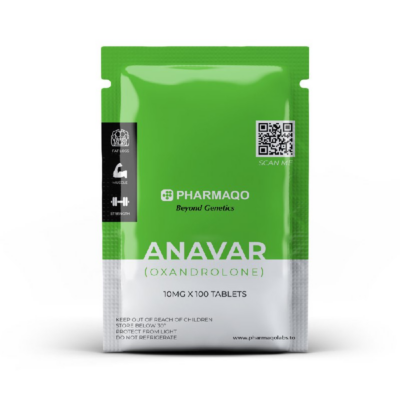
- The Ratio: Different steroids have different ratios. For example, Oxandrolone (Anavar) has a high anabolic rating with low androgenic effects, making it popular for cutting with fewer side effects. Trenbolone, conversely, has extremely high anabolic and androgenic ratings, making it very potent but also associated with severe side effects.
2. Esters and Half-Life
Most injectable steroids are bound to an “ester” chain. This ester controls the release rate of the hormone into the bloodstream.
- Short Esters (e.g., Propionate, Acetate): These have a short half-life (days). They require frequent injections (often daily or every other day) but leave the system quickly, which is useful for drug testing.
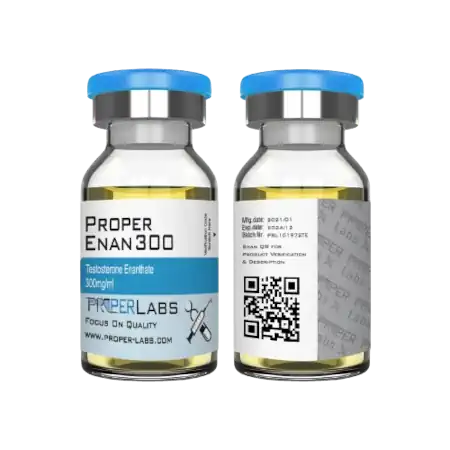
- Long Esters (e.g., Enanthate, Cypionate, Decanoate): These have a long half-life (weeks). They provide stable blood levels with fewer injections but take longer to reach peak concentration and longer to clear the system.
3. Administration Route: Oral vs. Injectable
The method of administration significantly impacts the side effect profile.
- Orals (17-alpha alkylated): Oral steroids are chemically modified to pass through the liver without being destroyed. However, this modification makes them hepatotoxic (toxic to the liver). They can cause liver stress, elevated liver enzymes, and cholestasis.
- Injectables: These bypass the first-pass metabolism in the liver (mostly). While less toxic to the liver, injectables carry risks of injection site pain, abscesses, and scar tissue. They also tend to have a more negative impact on cholesterol (lipid profile) than orals.
4. Aromatization and Estrogen Management
Many anabolic steroids (like Testosterone and Dianabol) interact with the enzyme aromatase, which converts testosterone into estrogen.
- Estrogenic Side Effects: If unchecked, this conversion leads to gynecomastia (development of breast tissue in males) and water retention.
- Anti-Aromatase Inhibitors (AIs): A key factor in steroid use is managing this conversion using AIs (like Arimidex or Aromasin) to keep estrogen levels in a healthy range.
5. The HPTA Axis and Suppression
The Hypothalamic-Pituitary-Testicular Axis (HPTA) is the body’s hormonal thermostat.
- Negative Feedback Loop: When exogenous (external) steroids are introduced, the body detects high levels of androgens and shuts down its own production of Luteinizing Hormone (LH) and Follicle-Stimulating Hormone (FSH). Consequently, the testes stop producing natural testosterone.
- Atrophy: Prolonged use can lead to testicular atrophy (shrinkage).
- Recovery: Once usage stops, the body may take weeks or months to restart natural production, which is why Post Cycle Therapy (PCT) is a critical factor.
6. Cardiovascular Risk Factors
Steroid use significantly impacts cardiovascular health.
- Lipid Profile: Steroids tend to lower HDL (good cholesterol) and raise LDL (bad cholesterol), accelerating the buildup of plaque in the arteries (atherosclerosis).
- Blood Pressure: Many steroids cause water retention and increase red blood cell count, both of which can spike blood pressure, putting strain on the heart and increasing the risk of stroke or heart attack.
7. Purity and Source Quality
In the context of non-medical use, the “black market” factor is a major risk.
- Under-dosing: A product labeled as 300mg/ml may actually contain only 150mg/ml.
- Contamination: Products may be manufactured in non-sterile environments, leading to infection risks, or may contain heavy metals or harmful byproducts from poor synthesis.
- Mislabeling: Products may contain a different steroid than what is listed on the label.
8. Genetic Predisposition
Not everyone responds to steroids the same way.
- Androgen Receptor Sensitivity: Some individuals have a higher density of androgen receptors in their muscles and respond exceptionally well to low doses.
- Side Effect Susceptibility: Some men are genetically prone to male pattern baldness or gynecomastia. These conditions will manifest aggressively with steroid use, even with moderate doses.
9. Legal and Ethical Factors
- Controlled Substances: In many countries (including the US and UK), anabolic steroids are Schedule III/Class C controlled substances. Possession without a prescription is illegal and can result in criminal charges, fines, and imprisonment.
- Fair Play: In sports, the use of PEDs violates the rules of governing bodies (WADA, IOC, etc.) and results in disqualification, stripping of medals, and bans.
Summary
The “key factors” of steroids are a balance between the desired anabolic outcome and the management of androgenic/estrogenic side effects. Success in medical therapy or performance enhancement relies heavily on understanding the pharmacokinetics (half-lives), managing the endocrine system (PCT), and mitigating cardiovascular risks.
Conclusion
Anabolic steroids offer powerful muscle-building effects but at a high cost to health and legality. While medically valuable, recreational use often leads to addiction and complications. Education and professional guidance are key. If you’re exploring fitness, prioritize sustainable methods. Consult healthcare providers for personalized advice, and remember, true strength comes from discipline, not shortcuts.
Best Selling Products


Free Shipping on all orders
Get Free Shipping on all orders over $150 and free returns to our UK returns centre! Items are dispatched from the US and will arrive in 5-8 days.
Amazing customer service
Get Free Shipping on all orders over $150 and free returns to our UK returns centre! Items are dispatched from the US and will arrive in 5-8 days.
No Customs or Duty Fees!
We pay these fees so you don’t have to! The total billed at checkout is the final amount you pay, inclusive of VAT, with no additional charges at the time of delivery!
