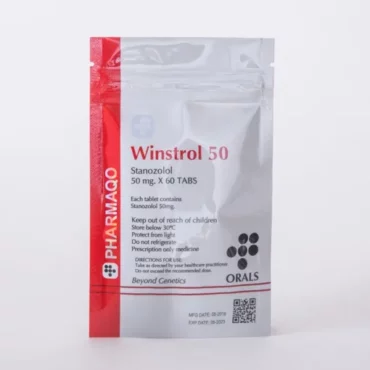
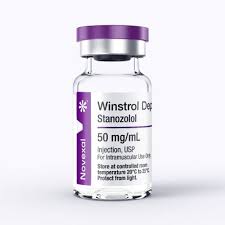
Winstrol is the widely recognized brand name for the synthetic anabolic steroid Stanozolol. Developed in the late 1950s by Winthrop Laboratories, this drug is derived from dihydrotestosterone (DHT). Like other anabolic-androgenic steroids (AAS), Winstrol was originally designed for medical applications but gained notoriety for its performance-enhancing effects in sports and bodybuilding. Today, it is classified as a Schedule III controlled substance in the United States and is similarly regulated in many other countries due to its potential for abuse and serious health risks.
Mechanism of Action
Chemically, Stanozolol is a DHT derivative with two key structural changes: a pyrazol group attached to the A-ring of the steroid nucleus and a 17-alpha-alkyl group. The 17-alpha-alkylation allows the drug to survive oral ingestion by passing through the liver without being immediately broken down (first-pass metabolism). This modification makes it hepatotoxic (toxic to the liver), a significant downside to its oral bioavailability. Unlike testosterone, Winstrol does not convert to estrogen (aromatization), which means users generally do not experience water retention or gynecomastia (development of breast tissue in men). This property makes it unique among anabolic steroids.
Medical Applications
When approved for medical use, Winstrol has specific therapeutic indications. Its primary historical use has been in the treatment of hereditary angioedema, a condition characterized by episodes of severe swelling in the face, extremities, and airways. Stanozolol helps reduce the frequency and severity of these attacks. In the past, it has also been utilized to treat anemia and osteoporosis, as well as to promote weight gain in patients suffering from severe trauma or chronic infections. However, due to the availability of newer medications with fewer side effects, its medical use has become relatively limited in modern medicine.
Performance-Enhancing Use
In the world of athletics and bodybuilding, Winstrol is highly prized, particularly during “cutting” cycles. Because the drug does not cause water retention, it produces a “dry,” hard, and vascular appearance to the muscles, which is desirable for bodybuilders preparing for competitions. It is valued for its ability to increase strength and lean muscle mass without significant weight gain, making it popular among athletes in weight-class sports (like wrestling or boxing) and those requiring explosive speed, such as sprinters. The drug promotes protein synthesis and nitrogen retention in the muscles, creating an anabolic environment conducive to muscle growth and repair.
Winstrol is available in both oral tablets and an injectable water-based suspension. While both forms carry risks, the oral form is generally considered more stressful to the liver due to the necessity of processing the chemical alteration.
Side Effects and Health Risks
Despite its perceived benefits in performance enhancement, Winstrol carries a heavy burden of potential adverse effects.
- Liver Toxicity: As a 17-alpha-alkylated steroid, it is harsh on the liver. Prolonged use or high doses can lead to liver damage, peliosis hepatis (blood-filled cysts in the liver), and rare cases of liver tumors.
- Cardiovascular Issues: Winstrol is notoriously harmful to lipid profiles. It tends to significantly decrease HDL (good cholesterol) and increase LDL (bad cholesterol). This drastic shift accelerates the buildup of plaque in the arteries, substantially increasing the long-term risk of heart attack and stroke.
- Joint and Tendon Pain: Because it reduces water retention, lubrication in the joints can decrease. Users frequently report “dry” or painful joints, which can paradoxically increase the risk of tendon injuries despite increased muscle strength.
- Hormonal Suppression: Like all anabolic steroids, Winstrol suppresses the body’s natural production of testosterone. This can lead to testicular atrophy, infertility, and low libido upon discontinuation.
- Virilization: Female users are at high risk of developing masculine characteristics, such as deepening of the voice, facial hair growth, and clitoral enlargement. These effects are often irreversible even after stopping the drug.
Legal Status and Conclusion
Winstrol is a controlled substance, meaning the non-medical possession, distribution, or manufacture of the drug is illegal. It has been at the center of numerous doping scandals, most notably involving Canadian sprinter Ben Johnson at the 1988 Seoul Olympics.
While Winstrol offers specific pharmacological effects that are tempting to athletes looking for a lean physique, the health trade-offs are severe. The potential for liver damage, cardiovascular disease, and permanent hormonal disruption makes its non-medical use dangerous.
Reviews
There are no reviews yet.
Related products
PCT
oral steroids
Injectable steroids
Injectable steroids
Injectable steroids
Injectable steroids
oral steroids
Injectable steroids
Be the first to review “Winstrol”