
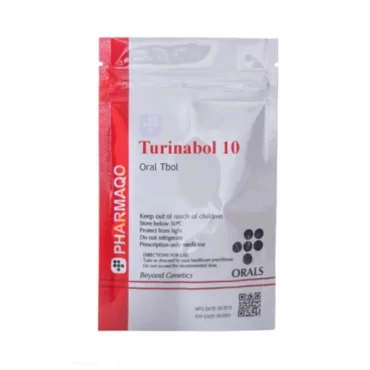
Turinabol
Turinabol, often called T-bol, is the oral anabolic steroid 4-Chlorodehydromethyltestosterone.
It holds a notorious place in sports history. It was developed in East Germany (GDR) in the 1960s and became the centerpiece of the state-sponsored doping program for Olympic athletes. The goal was to create a steroid that provided performance benefits without triggering the steroid tests of the time, while avoiding the obvious physical side effects (like extreme bloating) that would give away the drug use.
1. Chemical Profile
Turinabol is structurally a hybrid of two steroids: Clostebol and Dianabol.
- The Dianabol Connection: It is essentially Dianabol with a chlorine atom added at the 4th carbon position.
- The “Chloro” Effect: This structural change significantly changes how the drug behaves. It prevents Turinabol from aromatizing (converting to estrogen) and reduces its androgenic potency.
2. Effects and Characteristics
Turinabol is widely known as the “dry Dianabol.” It offers some of the muscle-building benefits of Dianabol but without the water retention.
- Lean, Quality Gains: Unlike Dianabol, which causes rapid weight gain (mostly water), Turinabol promotes slow, dry muscle growth. The gains are not massive, but they are high-quality tissue that is easily retained after the cycle ends.
- Athletic Performance: This is Turinabol’s specialty. It is favored by sprinters, fighters, and athletes in weight-restricted sports. It increases strength, speed, and endurance without adding heavy body weight that might slow the athlete down.
- No Estrogenic Side Effects: Because it does not aromatize, users do not suffer from water retention (bloat) or gynecomastia. The physique looks harder and more vascular.
- Pumps: Users report intense “pumps” in the gym, sometimes to the point of discomfort (similar to Dianabol but without the systemic water retention).
3. Dianabol vs. Turinabol
A common comparison helps clarify what Turinabol does:
- Dianabol: Massive size, huge strength, water retention, risk of gynecomastia, causes a “puffy” look. Often described as “wet.”
- Turinabol: Moderate size, steady strength, no water retention, no gyno risk, causes a “lean” look. Often described as “dry.”
4. Side Effects
While Turinabol is considered “mild” compared to harsh orals like Anadrol or Winstrol, it is not risk-free.
- Cholesterol Toxicity: This is the biggest downside of Turinabol. It has a notoriously negative impact on cholesterol levels, significantly lowering HDL (good cholesterol) and raising LDL (bad cholesterol). This can be severe and increases cardiovascular risk.
- Liver Toxicity: As a 17-alpha-alkylated (17-aa) oral steroid, it passes through the liver and can elevate liver enzymes, though it is generally considered less hepatotoxic than Winstrol or Anadrol.
- Suppression: Like all steroids, it shuts down the body’s natural testosterone production (HPTA axis).
- The “Flat” Feeling: Because Turinabol does not convert to estrogen, and estrogen plays a role in energy and libido, some users report feeling lethargic, “flat,” or having low libido while on a cycle of Turinabol.
5. Dosage and History
- Medical History: It was originally used to treat muscle wasting and even in children to stimulate growth (until it was deemed too dangerous).
- East German Protocol: In the GDR doping program, athletes were given “blue beans” (the nickname for the pills). The dosages were systematically recorded, ranging from very low for women and children to high doses for weightlifters.
- Modern Dosage: Male performance users typically take 40mg to 60mg per day. Because the half-life is relatively long (approx. 16 hours), the dose is often split or taken all at once.
Summary
Turinabol is the “sneaky” steroid. It provides steady strength and lean gains without the obvious outward signs of steroid use (like a moon face or massive weight gain). It is a favorite for performance athletes who need to stay in a weight class. However, it carries a significant risk for heart health due to its negative impact on cholesterol and should not be mistaken for a “safe” compound just because the side effects are less visible than those of Dianabol.
Reviews
There are no reviews yet.
Related products
Injectable steroids
PCT

cycles
PCT
Uncategorized
Injectable steroids
oral steroids
Be the first to review “Turinabol”