
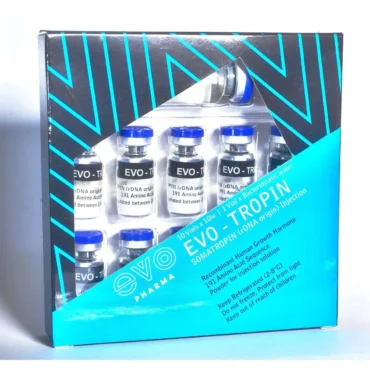
HGH
Human Growth Hormone (HGH): An Overview of This Performance Enhancer
Introduction
Human Growth Hormone (HGH), also known as somatropin, is a peptide hormone produced by the pituitary gland that regulates growth, metabolism, and body composition. While not a steroid, it’s often grouped with anabolic steroids in bodybuilding for its muscle-building and fat-loss properties. HGH is used medically for growth deficiencies but recreationally for anti-aging and physique enhancement. It carries significant health risks, legal issues, and ethical concerns. This guide covers its properties, usage, effects, and pricing, based on scientific data and user experiences. Note: This is informational; non-medical use is illegal and can cause harm. Consult a healthcare professional before considering HGH.
History and Background
HGH was first isolated in 1956 from human pituitary glands, used medically for children with growth hormone deficiency. In the 1980s, recombinant DNA technology allowed synthetic production, making it widely available. Bodybuilders adopted it in the 1990s for its anabolic effects, popularized by athletes like Sylvester Stallone. Research (e.g., in the Journal of Clinical Endocrinology) shows HGH boosts IGF-1 for muscle growth. Banned in sports by WADA, HGH persists in anti-aging clinics and fitness circles, though purity and sourcing vary. Its rise in popularity coincided with the steroid era, leading to misconceptions that it’s a steroid, when it’s actually a hormone peptide.
Key Characteristics
HGH is a 191-amino acid peptide, naturally produced in pulses. Synthetic forms include somatropin (e.g., Norditropin) or CJC-1295 (modified for longer action). Dosages: 2-4 IU/day for beginners; 4-8 IU for advanced. Administered via subcutaneous injections. Appearance: Lyophilized powder reconstituted with water. It’s not androgenic like steroids, but suppressive to natural HGH production. Purity is crucial; counterfeit products are common. Unlike steroids, HGH doesn’t aromatize or cause androgenic side effects, but it can lead to insulin-like growth factor (IGF-1) spikes.
Production and Usage
HGH is produced via recombinant technology in labs. For usage:
- Planning: Health screening; blood tests for IGF-1 levels.
- Administration: Daily injections, often in the morning for natural pulses.
- Cycles: 3-6 months for bulking or fat loss, with caloric surpluses/deficits.
- Monitoring: Track body composition, side effects; avoid over 6 months to prevent desensitization.
- Stacking: Often with steroids like Testosterone for synergy.
Proper reconstitution and storage prevent degradation. Medical oversight is essential, but recreational use is common and risky. Users often combine it with peptides like Ipamorelin for enhanced effects.
Effects and Risks
Effects: Increased muscle mass (2-5lbs in 3 months), fat loss, improved recovery, skin health, and energy. Users report better sleep and immunity. Risks include:
- Hormonal: Suppressed natural HGH, potential thyroid issues.
- Metabolic: Insulin resistance, hyperglycemia.
- Musculoskeletal: Joint pain, carpal tunnel syndrome.
- Cardiovascular: Increased heart disease risk.
- Other: Water retention, gynecomastia, cancer risk with long-term use.
Long-term use links to pituitary atrophy or diabetes. Studies confirm benefits for deficiency but warn of abuse risks. For example, excessive HGH can cause acromegaly (enlarged bones) in adults, leading to facial changes and organ enlargement. Psychological effects like mood swings are less common but possible.
Potential Benefits and Medical Uses
Medically, HGH treats growth disorders, Turner syndrome, and HIV wasting. For fitness, it aids recovery and body recomposition, but benefits are temporary. Evidence supports anti-aging claims, but not for healthy adults. In bodybuilding, it’s valued for its role in nitrogen retention and protein synthesis, similar to steroids but without androgenic drawbacks. Research from the New England Journal of Medicine shows HGH improves bone density in deficient patients, but off-label use for athletes is controversial.
Legality and Regulations
Schedule III in the US—prescription-only; illegal otherwise. Banned in sports. Internationally, restricted. Black market prevalent but unlawful. Possession without prescription can lead to fines or jail, similar to steroids.
Pricing of HGH
Prescription: $500-1,000 per month. Black market:
- Somatropin: $300-600 per 10 IU vial.
- Cycle Kits: $800-1,500 for 3 months.
Bulk buys: $20-50 per IU. Shipping: $50-100. Prices vary by brand; generic versions are cheaper but riskier.
Where to Find, Buy, and Tips
Legally: Prescriptions for deficiencies. Illegally: Online or clinics. Tips: Verify sources; monitor health. Start low; cycle off. Risks: Legal/health issues. Alternatives: Natural GH boosters like arginine. Prioritize health.
Conclusion
HGH offers muscle and recovery benefits but with health and legal risks. Pricing is high, yet metabolic dangers are notable. Education matters; natural methods are safer. If prescribed, follow guidance. Sustainable gains require consistency—consult experts.
1 review for Human Growth Hormone (HGH)
Add a review
Related products
Injectable steroids
Uncategorized
Injectable steroids
Injectable steroids
Injectable steroids
Injectable steroids
Injectable steroids
Injectable steroids
admin –
Finally found the product that gives me the perfect height. 5 stars